
Meet our Italian instructors

Language teachers become trusted points of reference
Learning the Italian language is essential when living in Rome. Not only does it help with communication, it also aids in the cross-cultural experience.
Students at the Rome Center have the opportunity to learn the language through the experience of living in the Eternal City but very central to their language acquisition is in the classroom with their professors.
Language teachers have always been trusted points of reference for students. Former students still talk about their time in the classroom with professors like Flaminia Addis, Gloriana Palesa, Bruna Capitini and Maria Mencuccini Paladino - to name a few. They often recall the songs they sung and the useful phrases they learned.
The Rome Center's identity is deeply rooted in the Italian language and culture. Today we have an experienced team of language professionals who meet with the students 3 days-a-week to speak, read and write the Italian language. The cultural education students experience through language instruction, also transforms their experience outside the classroom.
In 2007, an introductory Italian language class became mandatory for those with no experience speaking the language, challenging students to directly engage with the language and culture in which they find themselves. It is, of course, the professors who are at the front of this language instruction. Through the study of how to write, read and speak the language our Italian instructors become meaningful and memorable gateways into Italian culture.
Meet our team of language experts: our professors share their classroom philosophies, ideas about language learning and their hopes for students.
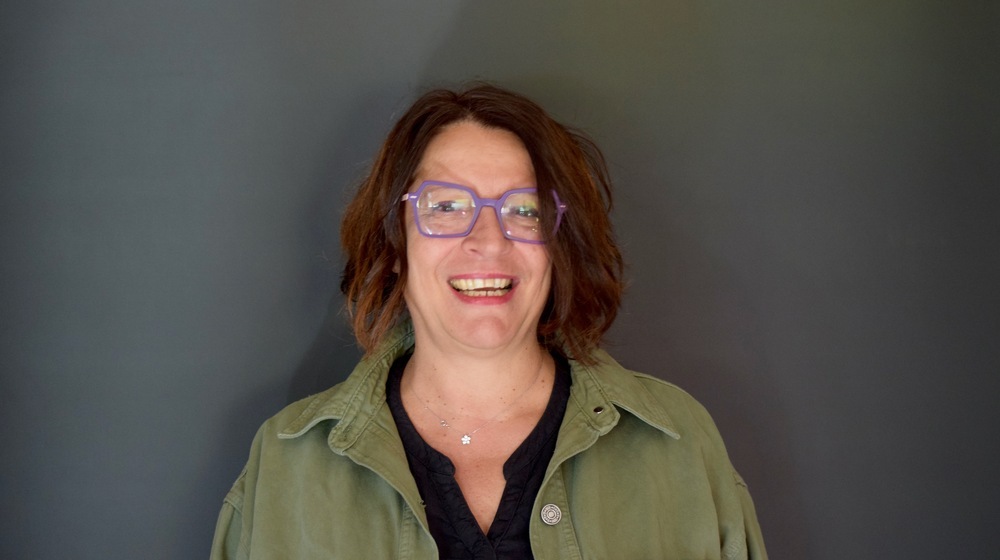
Ippolita Conestabile
26 years experience teaching
What she enjoys about teaching Italian: Students at the Rome Center are structured students, accustomed to studying, welcoming towards their peers, and trusting of the faculty, respectful and witnesses of the Jesuit mission of reconciliation with God, themselves, and others. This is evident in their behavior in class, in helping each other, and in their trust in the teacher. For this reason, the atmosphere that is created in the classroom is what I like the most.
Hopes for the students: I hope that my students learn that error is learning, that doing it in front of others is an opportunity for discussion. Trying, hypothesizing, having the courage to express himself/herself, and accepting mistakes are all important aspects of learning a language, but also in life. Just as when they perform an exercise without understanding it and they make mistakes, nothing can be achieved in life without understanding and doing it with seriousness and completeness. I hope they will take away this awareness.
"I like to see the class as an orchestra. I am the conductor and they are the musicians. They play their melody, alone and, at the same time, together, and I guide them and do not miss a single 'note' of their music" Ippolita Conestabile
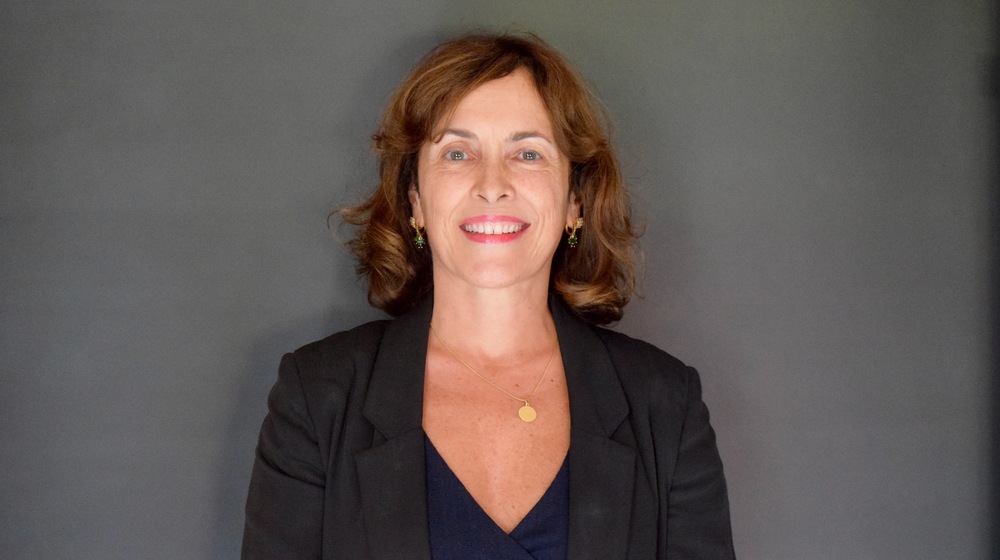
Rosemunde Gurtner
26 years of experience teaching
What she enjoys about teaching Italian: It provides students a gateway to understanding the rich Italian culture through art, music, food, fashion. The satisfaction comes from witnessing that: students enrich their experiences and become more engaged in communicating with locals and navigating cultural differences using the language we learn in class. So, the language became an instrument to discover Italy.
Hopes for the students: I hope my students get a deeper connection with people and culture, turning language learning into a journey in Italy. I enjoy seeing how students gain confidence and become more engaged in the real world outside the classroom.
"My Italian classroom is a 'terrazza' (terrace): social hub where learning and teaching intertwine like in a lively conversation, where both students and teacher are deeply engaged" Rosemunde Gurtner
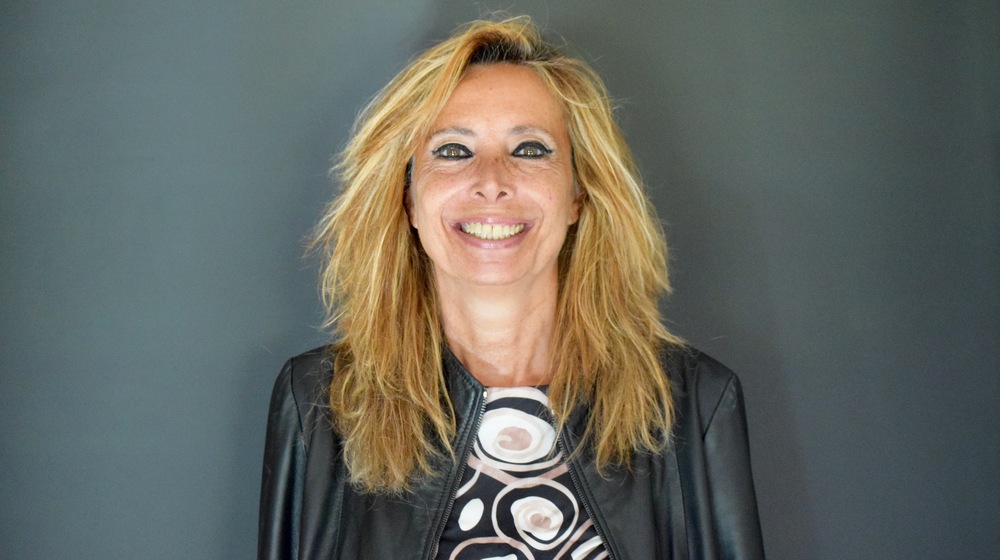
Elena Faramondi
23 years experience teaching
What she enjoys about teaching Italian: the enthusiasm they bring to class. Even the smallest achievement—like ordering a coffee or chatting with someone on the street—feels exciting and meaningful. I enjoy seeing how what they learn in class immediately comes to life outside, in the everyday rhythm of the Eternal City.
Hopes for the students: The joy of teaching a language lies in helping students discover new perspectives. Learning a language can open doors, build friendships, and transform the way we see the world. I hope students experience the warmth and hospitality of Italian culture, carrying with them not only new words and expressions, but also a deeper sense of connection and belonging.
"I would describe the classroom experience in Rome as a living laboratory—students don’t just study the language; they step outside and practice it in real life every day. It is always rewarding to hear them in class share their experiences using Italian in a city filled with opportunities, beauty, and culture" Elena Faramondi
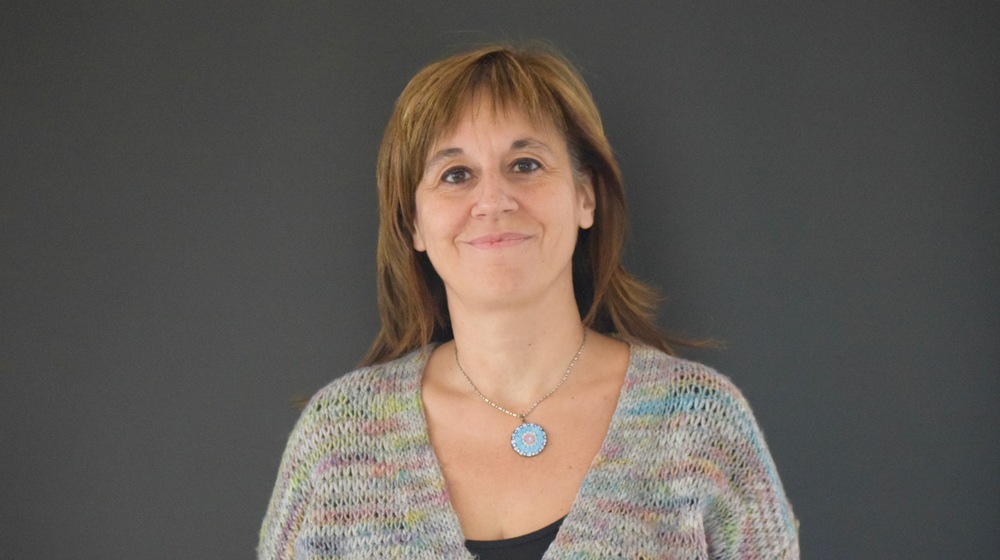
Nives Valli
26 years experience teaching
What she enjoys about teaching Italian: seeing students discover not only the language but also a new perspective on the world. I love helping them connect with the local culture and reflect on issues such as human rights, refugees, and intercultural dialogue, while they are experiencing daily life in Rome.
Hopes for the students: that they develop more empathy and awareness about the reality of migration and the challenges of refugees and asylum seekers. More generally, I would like them to leave with a deeper openness to ‘the other’ and to different ways of seeing the world.
The classroom is "a bridge between languages, cultures, and people. On this bridge, students can cross from their own world into new perspectives, while also bringing something of themselves to share" Nives Valli
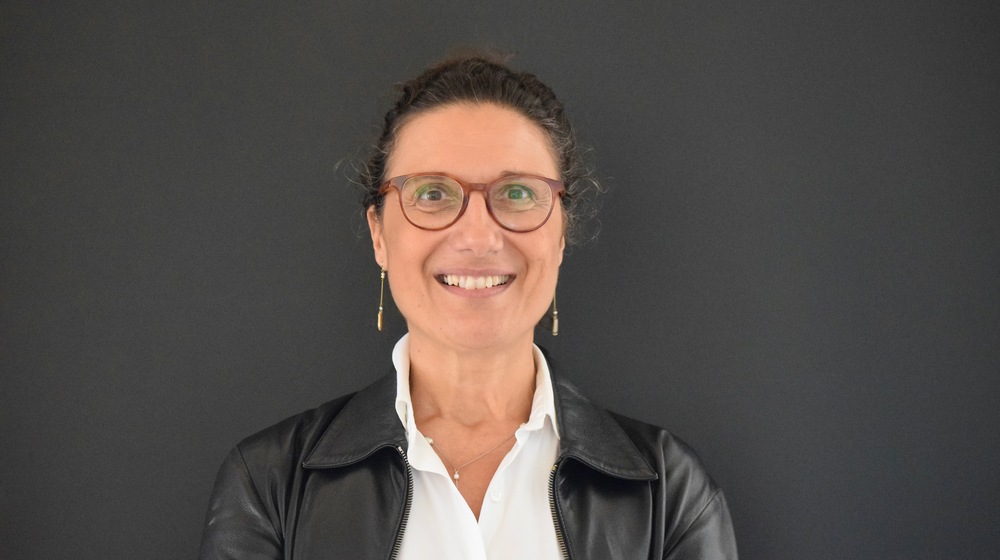
Lorenza Fabretti
20 years experience teaching
What she enjoys about teaching Italian: Learning a language is opening a door into the culture of the people who share that language. I enjoy giving my students the key to that door. I enjoy hearing students’ rudimental phrases becoming a language spoken to communicate with Italians. I enjoy when both I and them laugh about cultural accidents.
Hopes for the students: I feel satisfied if my students felt that our classes were a safe space, where it was easy to share and feel vulnerable.
"I picture the classroom experience as a chrysalis that turns into a butterfly. At first a safe space like a cocoon, the classroom turns into a liberating expanse where learning seeps in, allowing students to autonomously fly away" Lorenza Fabretti
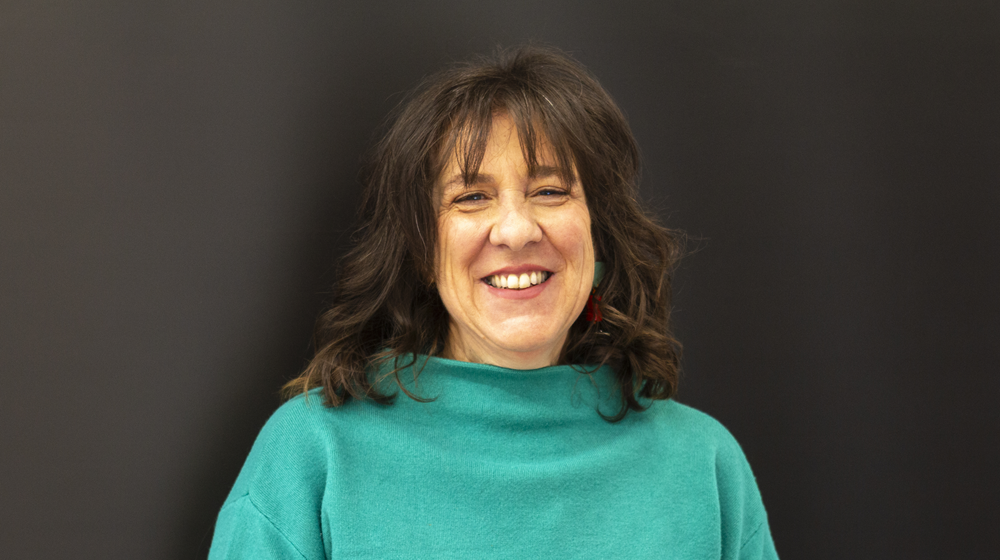
Nadia Cristiani
26 years experience teaching
What she enjoys about teaching Italian: What I cherish most is the vibrant sense of community and the unique opportunity to act as a bridge between our students and the city. I love facilitating that vital connection, guiding them as they cross over from being mere observers to active participants in Roman life and Italian culture.
Hopes for the students: Beyond mastering grammar and vocabulary, my ultimate goal is for students to develop a deeper intercultural awareness. I want them to walk away with the ability to see the world through a different lens, fostering a curiosity and sensitivity toward cultural nuances that will serve them long after they leave Rome.
"I see the classroom as an alchemy laboratory. It is a space where different elements—language, personal backgrounds, and the surrounding Roman environment—are mixed together. Through this process, something ordinary is transformed into a 'golden' experience of personal growth and cultural discovery" Nadia Cristiani
Learn more about the Italian language courses on offer each semester and the academic calendar at the Rome Center
Language teachers become trusted points of reference
Learning the Italian language is essential when living in Rome. Not only does it help with communication, it also aids in the cross-cultural experience.
Students at the Rome Center have the opportunity to learn the language through the experience of living in the Eternal City but very central to their language acquisition is in the classroom with their professors.
Language teachers have always been trusted points of reference for students. Former students still talk about their time in the classroom with professors like Flaminia Addis, Gloriana Palesa, Bruna Capitini and Maria Mencuccini Paladino - to name a few. They often recall the songs they sung and the useful phrases they learned.
The Rome Center's identity is deeply rooted in the Italian language and culture. Today we have an experienced team of language professionals who meet with the students 3 days-a-week to speak, read and write the Italian language. The cultural education students experience through language instruction, also transforms their experience outside the classroom.
In 2007, an introductory Italian language class became mandatory for those with no experience speaking the language, challenging students to directly engage with the language and culture in which they find themselves. It is, of course, the professors who are at the front of this language instruction. Through the study of how to write, read and speak the language our Italian instructors become meaningful and memorable gateways into Italian culture.
Meet our team of language experts: our professors share their classroom philosophies, ideas about language learning and their hopes for students.
What she enjoys about teaching Italian: Students at the Rome Center are structured students, accustomed to studying, welcoming towards their peers, and trusting of the faculty, respectful and witnesses of the Jesuit mission of reconciliation with God, themselves, and others. This is evident in their behavior in class, in helping each other, and in their trust in the teacher. For this reason, the atmosphere that is created in the classroom is what I like the most.
Hopes for the students: I hope that my students learn that error is learning, that doing it in front of others is an opportunity for discussion. Trying, hypothesizing, having the courage to express himself/herself, and accepting mistakes are all important aspects of learning a language, but also in life. Just as when they perform an exercise without understanding it and they make mistakes, nothing can be achieved in life without understanding and doing it with seriousness and completeness. I hope they will take away this awareness.
What she enjoys about teaching Italian: It provides students a gateway to understanding the rich Italian culture through art, music, food, fashion. The satisfaction comes from witnessing that: students enrich their experiences and become more engaged in communicating with locals and navigating cultural differences using the language we learn in class. So, the language became an instrument to discover Italy.
Hopes for the students: I hope my students get a deeper connection with people and culture, turning language learning into a journey in Italy. I enjoy seeing how students gain confidence and become more engaged in the real world outside the classroom.
What she enjoys about teaching Italian: the enthusiasm they bring to class. Even the smallest achievement—like ordering a coffee or chatting with someone on the street—feels exciting and meaningful. I enjoy seeing how what they learn in class immediately comes to life outside, in the everyday rhythm of the Eternal City.
Hopes for the students: The joy of teaching a language lies in helping students discover new perspectives. Learning a language can open doors, build friendships, and transform the way we see the world. I hope students experience the warmth and hospitality of Italian culture, carrying with them not only new words and expressions, but also a deeper sense of connection and belonging.
What she enjoys about teaching Italian: seeing students discover not only the language but also a new perspective on the world. I love helping them connect with the local culture and reflect on issues such as human rights, refugees, and intercultural dialogue, while they are experiencing daily life in Rome.
Hopes for the students: that they develop more empathy and awareness about the reality of migration and the challenges of refugees and asylum seekers. More generally, I would like them to leave with a deeper openness to ‘the other’ and to different ways of seeing the world.
What she enjoys about teaching Italian: Learning a language is opening a door into the culture of the people who share that language. I enjoy giving my students the key to that door. I enjoy hearing students’ rudimental phrases becoming a language spoken to communicate with Italians. I enjoy when both I and them laugh about cultural accidents.
Hopes for the students: I feel satisfied if my students felt that our classes were a safe space, where it was easy to share and feel vulnerable.
What she enjoys about teaching Italian: What I cherish most is the vibrant sense of community and the unique opportunity to act as a bridge between our students and the city. I love facilitating that vital connection, guiding them as they cross over from being mere observers to active participants in Roman life and Italian culture.
Hopes for the students: Beyond mastering grammar and vocabulary, my ultimate goal is for students to develop a deeper intercultural awareness. I want them to walk away with the ability to see the world through a different lens, fostering a curiosity and sensitivity toward cultural nuances that will serve them long after they leave Rome.
Learn more about the Italian language courses on offer each semester and the academic calendar at the Rome Center