
Inclusive Excellence

Inclusive Excellence
Educating a diverse nursing workforce to care for patients from all walks of life
AT LOYOLA NURSING, we prepare nurses to create a healthier, more equitable society, and welcome and support students of all backgrounds, with proven strategies for helping them succeed.
That's why we've made inclusive excellence a cornerstone of education at Loyola Nursing. By helping create a more diverse nursing workforce, we’re bringing the talents, insights, and perspectives of new generations of nurses to all communities. More than half of our undergraduates identify as students of color, and many students—regardless of race or ethnicity—come from educationally, financially, or other underrepresented backgrounds.
Our calling
Driven by our Jesuit pursuit of social justice, our faculty and staff provide holistic, individualized support to students through programs like the CARE (Collaboration, Access, Resources, and Equity) Student Success Program. Our curriculum and faculty-developed simulation program prepare students to care for patients of all backgrounds, recognizing the impact that social determinants of health—the non-medical factors like poverty or education—have on wellbeing.
52%
undergraduate student of color enrollment
21%
Full-time faculty of color
The Care Student Success Program
CARE is our investment in the future of nursing. By helping more students succeed in college, we're addressing the nationwide nursing shortage. At the same time, we’re creating a more diverse nursing workforce and ultimately better patient outcomes.
CARE provides academic and socio-emotional support to BSN students who face barriers to completing their degree. Our goal is to boost student retention and graduation rates.
How do we do this? Through personalized mentoring, tutoring, and other assistance tailored to each student’s needs. And, we foster community because we know that having a peer network and feeling a sense of belonging are powerful predictors of student persistence.
We’re building on the proven strategies of CARE’s predecessor, the CARE Pathway to the BSN, launched in 2021 with a $2.2 million Health Resources and Services Administration grant to support underrepresented students.
CARE is open to all interested BSN students. We offer tiered support based on academic need:
- Students at low academic risk can participate in CARE’s enrichment and community-building opportunities.
- Those at medium risk receive proactive outreach and reminders about tutoring, mentoring, and wellness resources.
- Students with the most significant barriers to progression receive individualized, relationship-based support through regular meetings with the CARE director.
Learn about Regina Conway-Phillips, one of our first CARE Pathway faculty mentors, in the video below.
Faculty Spotlight
NEWS SPOTLIGHT
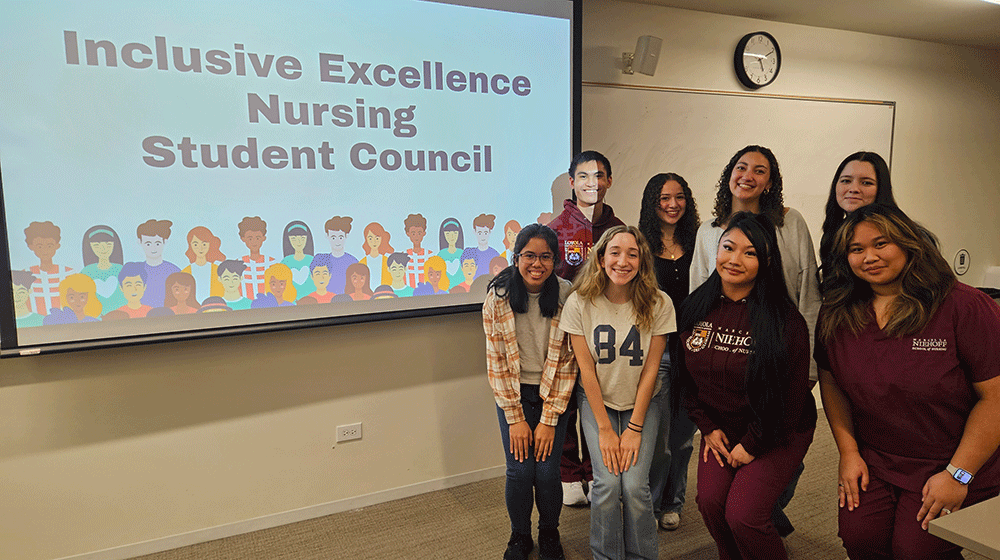
Student leaders
A student-run group is fostering conversations with fellow undergrads about how to provide better patient care for all communities.
Read More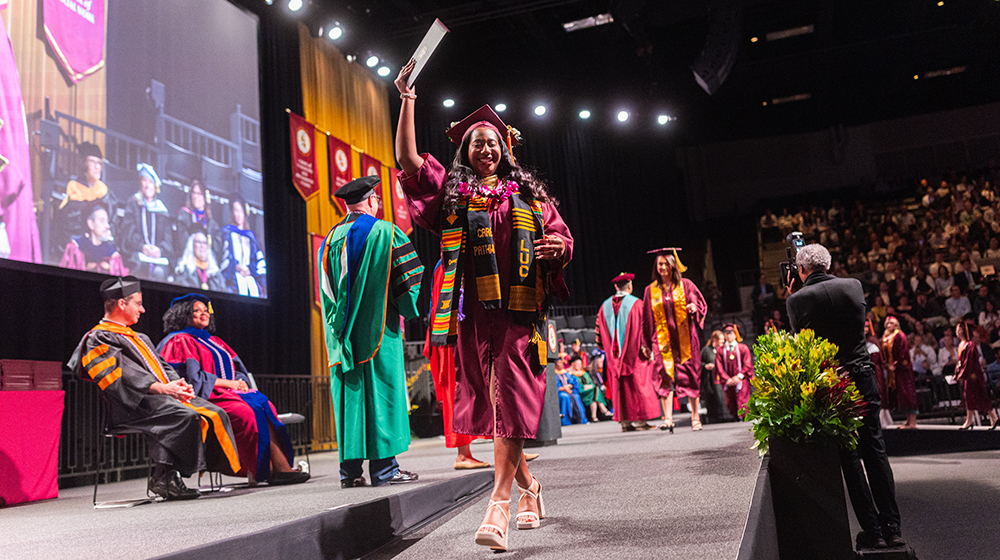
News Spotlight
A national leader in diversity
The AACN called us a "model" for other nursing schools.
Read More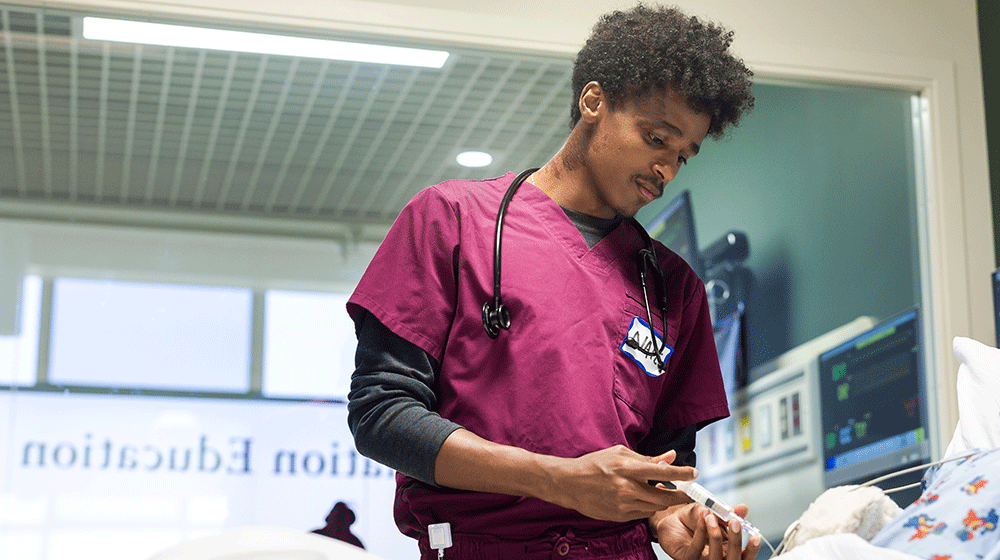
News Spotlight
DEI in simulation
A faculty-developed toolkit helps instructors nationwide design inclusive simulation experiences.
Read More
AT LOYOLA NURSING, we prepare nurses to create a healthier, more equitable society, and welcome and support students of all backgrounds, with proven strategies for helping them succeed.
That's why we've made inclusive excellence a cornerstone of education at Loyola Nursing. By helping create a more diverse nursing workforce, we’re bringing the talents, insights, and perspectives of new generations of nurses to all communities. More than half of our undergraduates identify as students of color, and many students—regardless of race or ethnicity—come from educationally, financially, or other underrepresented backgrounds.
Our calling
Driven by our Jesuit pursuit of social justice, our faculty and staff provide holistic, individualized support to students through programs like the CARE (Collaboration, Access, Resources, and Equity) Student Success Program. Our curriculum and faculty-developed simulation program prepare students to care for patients of all backgrounds, recognizing the impact that social determinants of health—the non-medical factors like poverty or education—have on wellbeing.
The Care Student Success Program
CARE is our investment in the future of nursing. By helping more students succeed in college, we're addressing the nationwide nursing shortage. At the same time, we’re creating a more diverse nursing workforce and ultimately better patient outcomes.
CARE provides academic and socio-emotional support to BSN students who face barriers to completing their degree. Our goal is to boost student retention and graduation rates.
How do we do this? Through personalized mentoring, tutoring, and other assistance tailored to each student’s needs. And, we foster community because we know that having a peer network and feeling a sense of belonging are powerful predictors of student persistence.
We’re building on the proven strategies of CARE’s predecessor, the CARE Pathway to the BSN, launched in 2021 with a $2.2 million Health Resources and Services Administration grant to support underrepresented students.
CARE is open to all interested BSN students. We offer tiered support based on academic need:
- Students at low academic risk can participate in CARE’s enrichment and community-building opportunities.
- Those at medium risk receive proactive outreach and reminders about tutoring, mentoring, and wellness resources.
- Students with the most significant barriers to progression receive individualized, relationship-based support through regular meetings with the CARE director.
Learn about Regina Conway-Phillips, one of our first CARE Pathway faculty mentors, in the video below.